Tips for Engaging Diverse Audiences at Gatherings
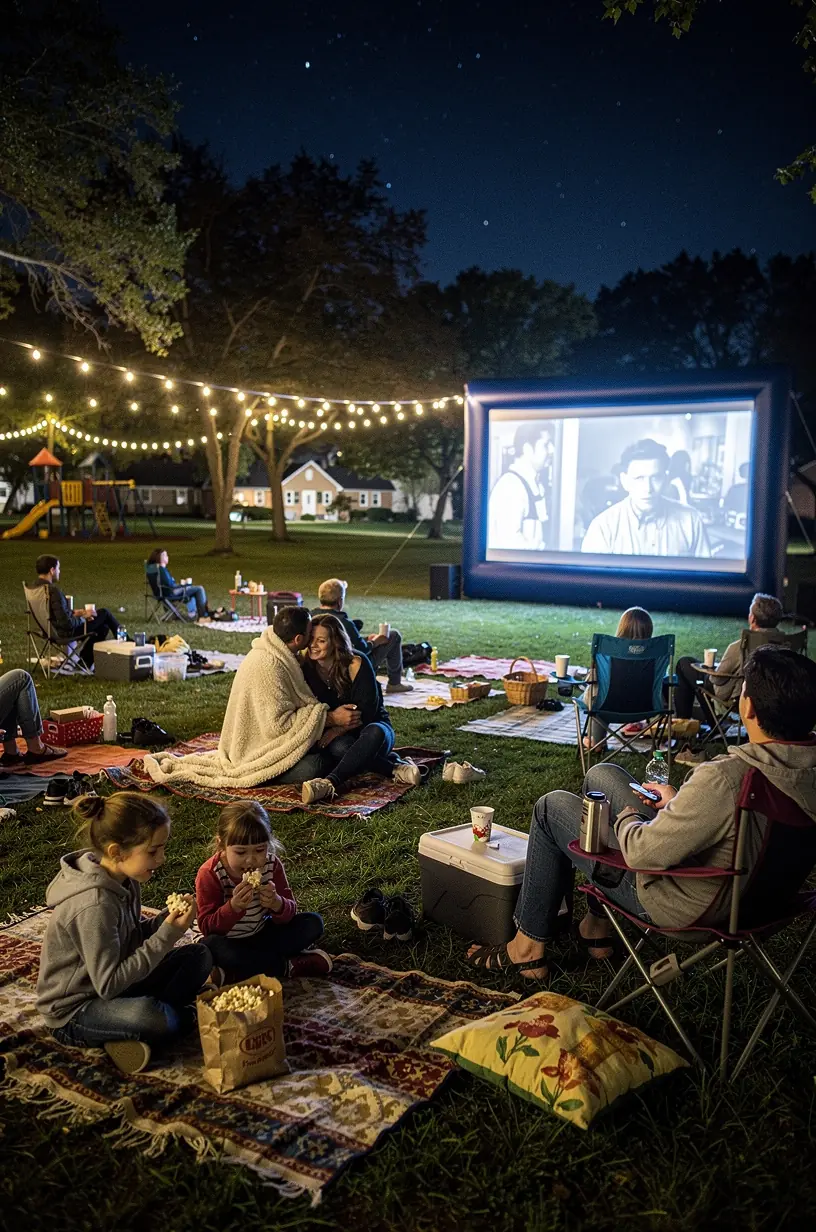
In an increasingly interconnected world, gatherings—whether for entertainment or hobbies—are becoming more diverse. Engaging a wide range of attendees can enhance the experience for everyone involved. This article offers practical tips to help you create inclusive and engaging events that resonate with all participants.
Understanding Your Audience
It is essential to understand the diverse backgrounds of your guests. According to studies, events that cater to a variety of cultural backgrounds often report higher levels of participation and satisfaction. To engage effectively, consider conducting surveys or informal discussions during the planning phase to gather insights about attendees' preferences and interests.
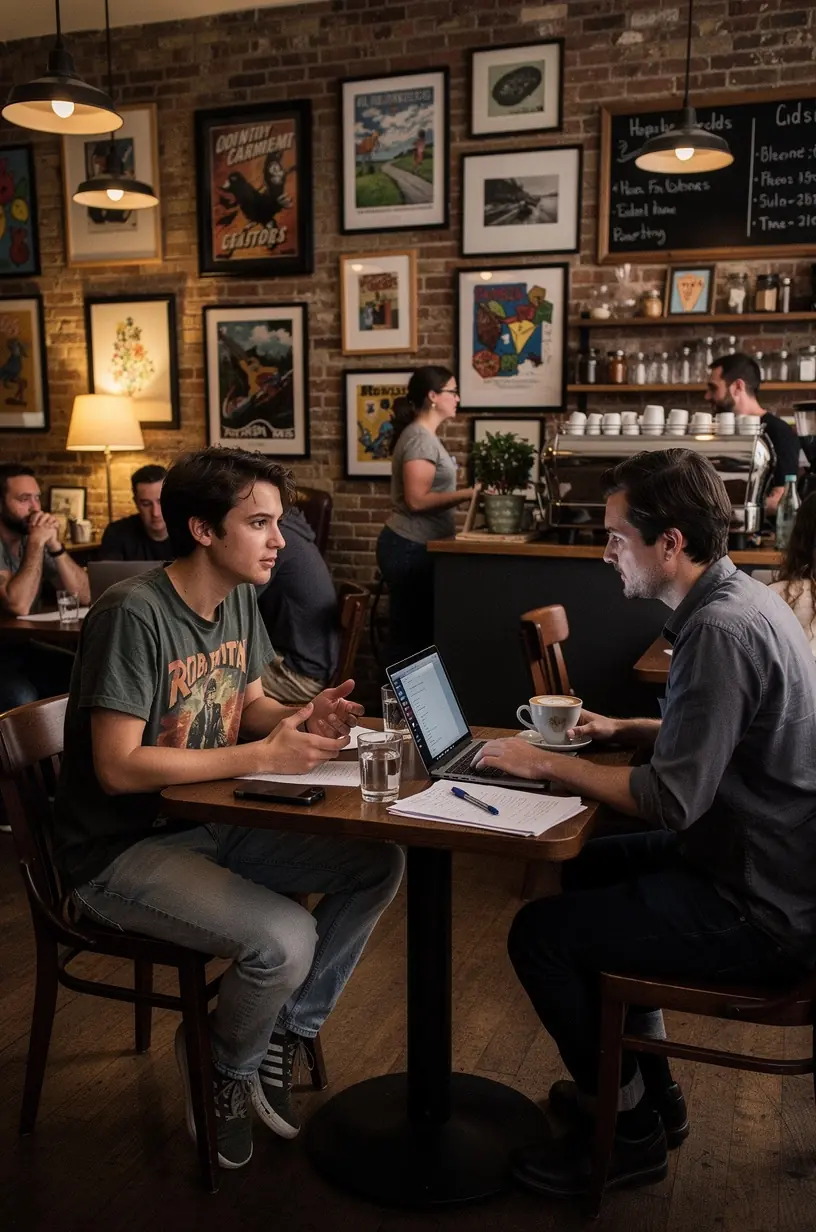
"Understanding your audience's needs is the first step in creating a successful event."
Creating Inclusive Content
Content is crucial in keeping attendees engaged. Here are some effective strategies:
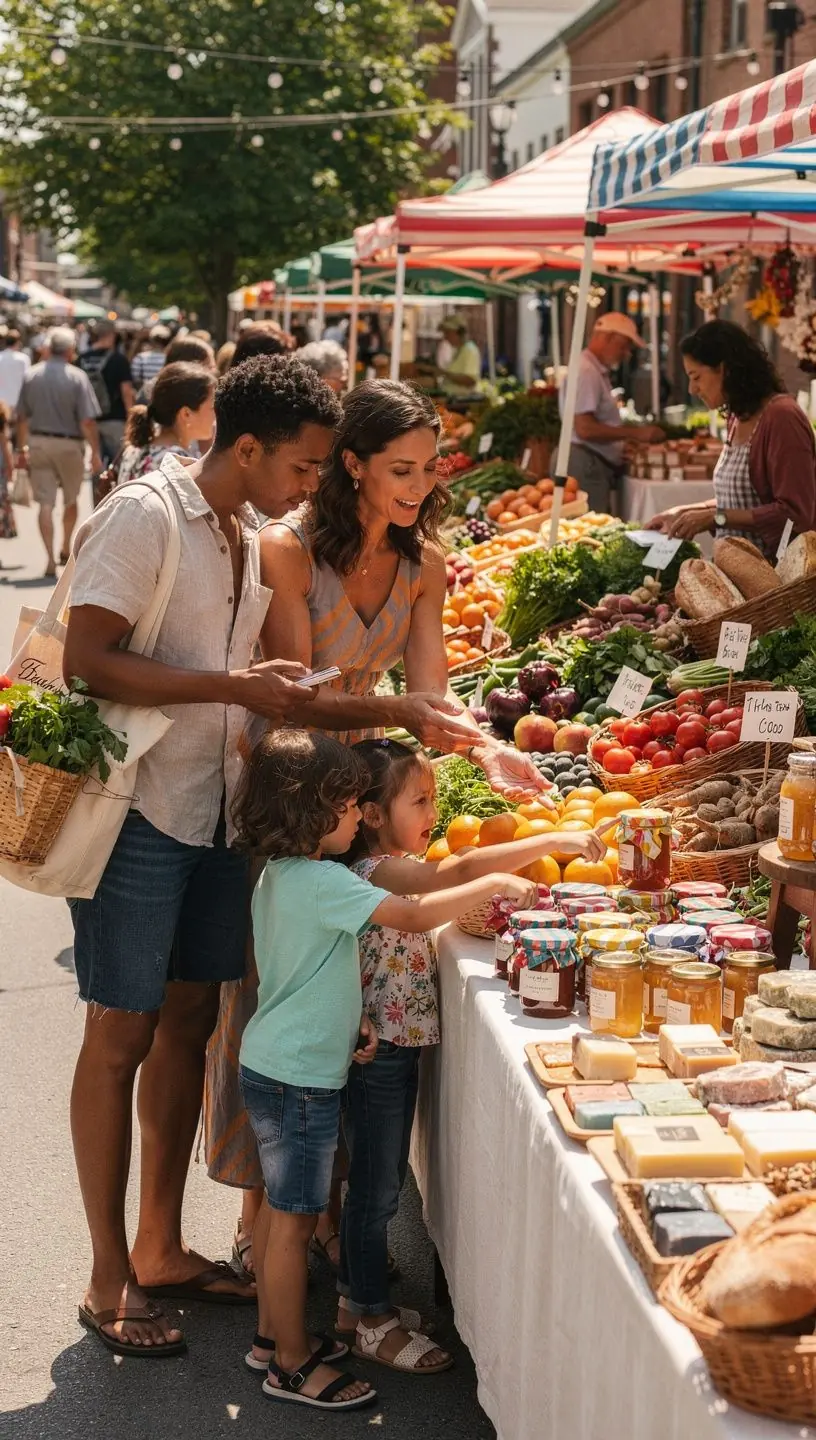
- Variety in Programming: Offer a mix of activities that appeal to different interests. For instance, if you're hosting a community festival, include workshops, performances, and interactive stations. Research indicates that events with diverse programming can increase engagement by up to 30%.
- Consider Accessibility: Ensure your venue is accessible to all participants. This involves not only physical accessibility but also accommodating different learning styles. Many experts recommend incorporating visual aids and hands-on activities to cater to various preferences.
- Encourage Participation: Actively invite feedback and participation from your audience. Creating a space where attendees feel comfortable sharing their ideas and experiences can foster a sense of community. Studies show that events that engage participants in dialogue tend to have more positive outcomes.
Utilizing Technology
Incorporating technology can enhance your event's engagement levels. Here’s how:
- Social Media Engagement: Use social media platforms to promote your event and encourage attendees to share their experiences. Many users report feeling more connected when they can express their thoughts online.
- Interactive Apps: Consider using event-specific apps that allow attendees to access schedules, engage in polls, or provide feedback in real time. Research indicates that events utilizing technology have higher participant satisfaction rates.
- Live Streaming: For those unable to attend in person, offering a live stream can widen your audience reach. This also creates an opportunity for remote engagement, allowing more people to participate in discussions or Q&A sessions.
Feedback and Improvement
Post-event feedback is vital for continual improvement. Experts suggest implementing a structured feedback process, such as surveys or informal discussions, to understand what worked well and what could be improved. This typically requires a commitment of time from both organizers and attendees to ensure valuable insights are gathered.
Conclusion
Engaging diverse audiences at gatherings involves understanding your attendees, creating inclusive content, leveraging technology, and continuously seeking feedback. While this may require additional effort and planning, the rewards include a richer experience for everyone involved. By applying these strategies, you can foster an environment where all attendees feel valued and engaged, contributing to the overall success of your event.