Exploring Seasonal Festivals and Their Cultural Significance
Seasonal festivals are more than just celebrations; they are vibrant embodiments of culture, history, and community spirit. Understanding their significance can enhance our appreciation for the diverse traditions that enrich American society.
The Essence of Seasonal Festivals
Seasonal festivals typically arise from agricultural practices, religious traditions, or historical events. According to cultural anthropologists, these celebrations serve to connect individuals with their heritage and foster a sense of belonging within a community. Festivals often provide an outlet for cultural expression and an opportunity to share customs with others.
"Festivals are communal experiences that create bonds between individuals and their cultural histories." - Dr. Sarah Thompson, Cultural Anthropologist
Cultural Impact and Community Engagement
Many users report that participating in seasonal festivals can significantly enhance community engagement. These events often draw diverse groups together, allowing individuals to share their unique traditions while learning about others. This exchange can cultivate empathy and understanding among different cultural backgrounds, which is essential in today’s global society.
Why Do Festivals Matter?
- Preservation of Traditions: Seasonal festivals often help maintain and revive cultural practices that may otherwise fade away. Studies indicate that communities with active festival calendars typically experience stronger cultural retention.
- Economic Benefits: Local economies can benefit from festivals through increased tourism and commerce. Research shows that communities hosting festivals often see a boost in business for local vendors and service providers.
- Social Cohesion: Festivals promote interactions among residents, contributing to social networks that can be vital for community support. Experts recommend that local governments invest in such events to foster unity.
Examples of Notable Seasonal Festivals in the U.S.
Across the United States, various seasonal festivals showcase the rich tapestry of American culture. Here are a few notable examples:
- New Orleans Mardi Gras: Known for its colorful parades and vibrant music, Mardi Gras embodies the fusion of French, African, and Spanish cultures.
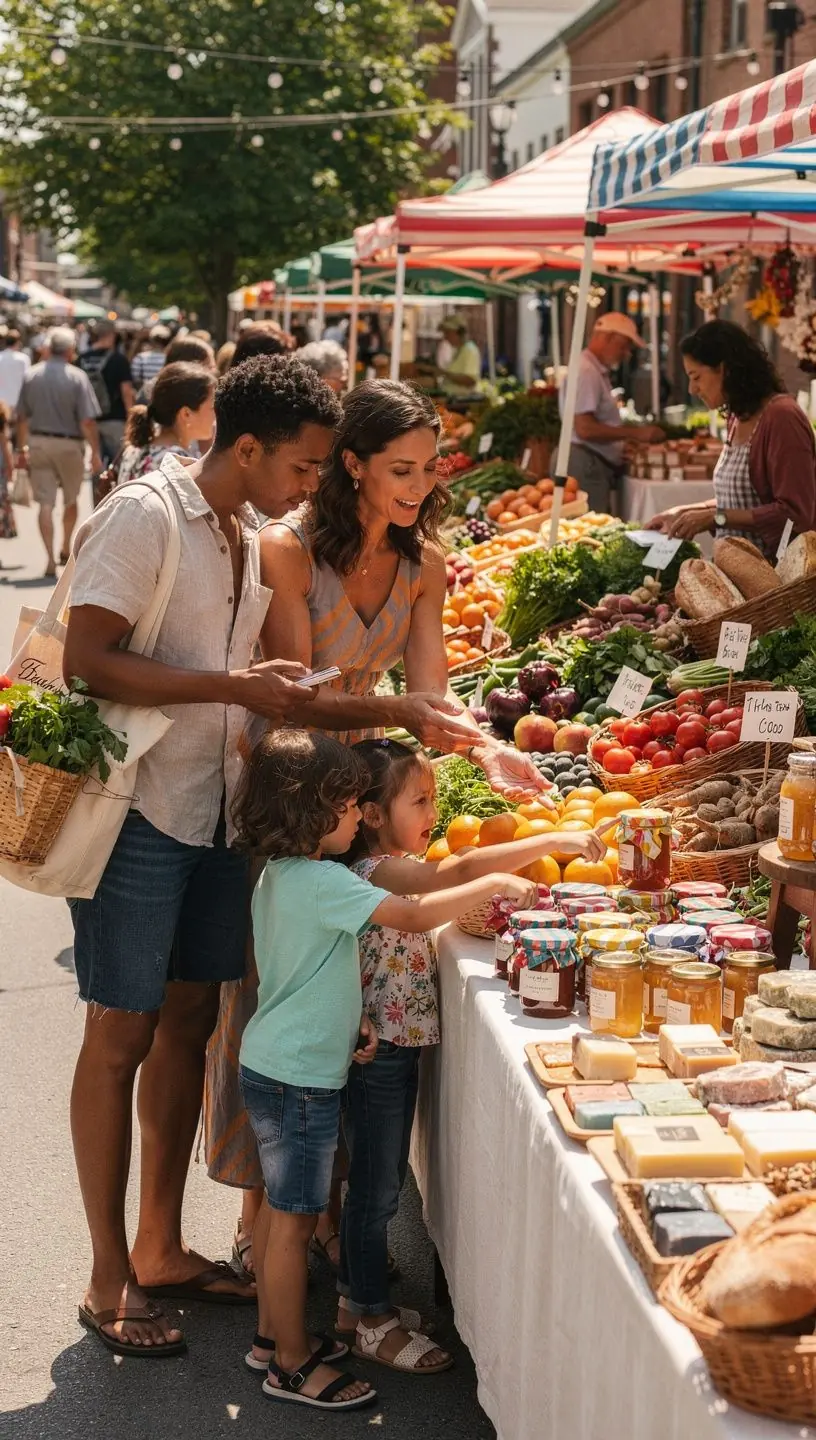
- Harvard Square MayFair: This festival celebrates spring with local artisans, food vendors, and live music, fostering community spirit in Cambridge, Massachusetts.
- Albuquerque International Balloon Fiesta: This annual event, featuring hundreds of hot air balloons, showcases the artistic expression and community pride of New Mexico.
Challenges and Considerations
While seasonal festivals can offer numerous benefits, organizing such events typically requires careful planning and significant resources. It often involves:
- Time Commitment: Organizing a festival typically takes several months of preparation, including securing permits, coordinating with vendors, and marketing the event.
- Community Involvement: Successful festivals rely on volunteer support and collaboration among local businesses and organizations.
- Financial Investment: Funding for festivals often comes from sponsorships, grants, and ticket sales, making it essential to establish a reliable budget and fundraising strategy.
Conclusion
Seasonal festivals are crucial for cultural preservation and community development. By understanding their significance, we can appreciate the role they play in shaping our social landscapes. Engaging in these events not only enriches our own experiences but also helps to maintain the vibrant diversity that defines American culture. As you consider attending a local festival, remember the effort and dedication that goes into making these celebrations possible, and enjoy the unique cultural insights they provide.
Learn More