Understanding the Benefits of Volunteering at Local Events
Volunteering at local events offers a wealth of benefits that extend beyond just helping others. Many individuals find that their involvement enhances personal growth, community engagement, and even professional development. This article explores the multifaceted advantages of dedicating time to local gatherings.
Understanding the Basics
Volunteering can be a transformative experience. According to research conducted by the Corporation for National and Community Service, individuals who volunteer often report higher levels of happiness and well-being. Furthermore, volunteering provides opportunities to develop new skills, network with like-minded individuals, and contribute positively to one’s community.
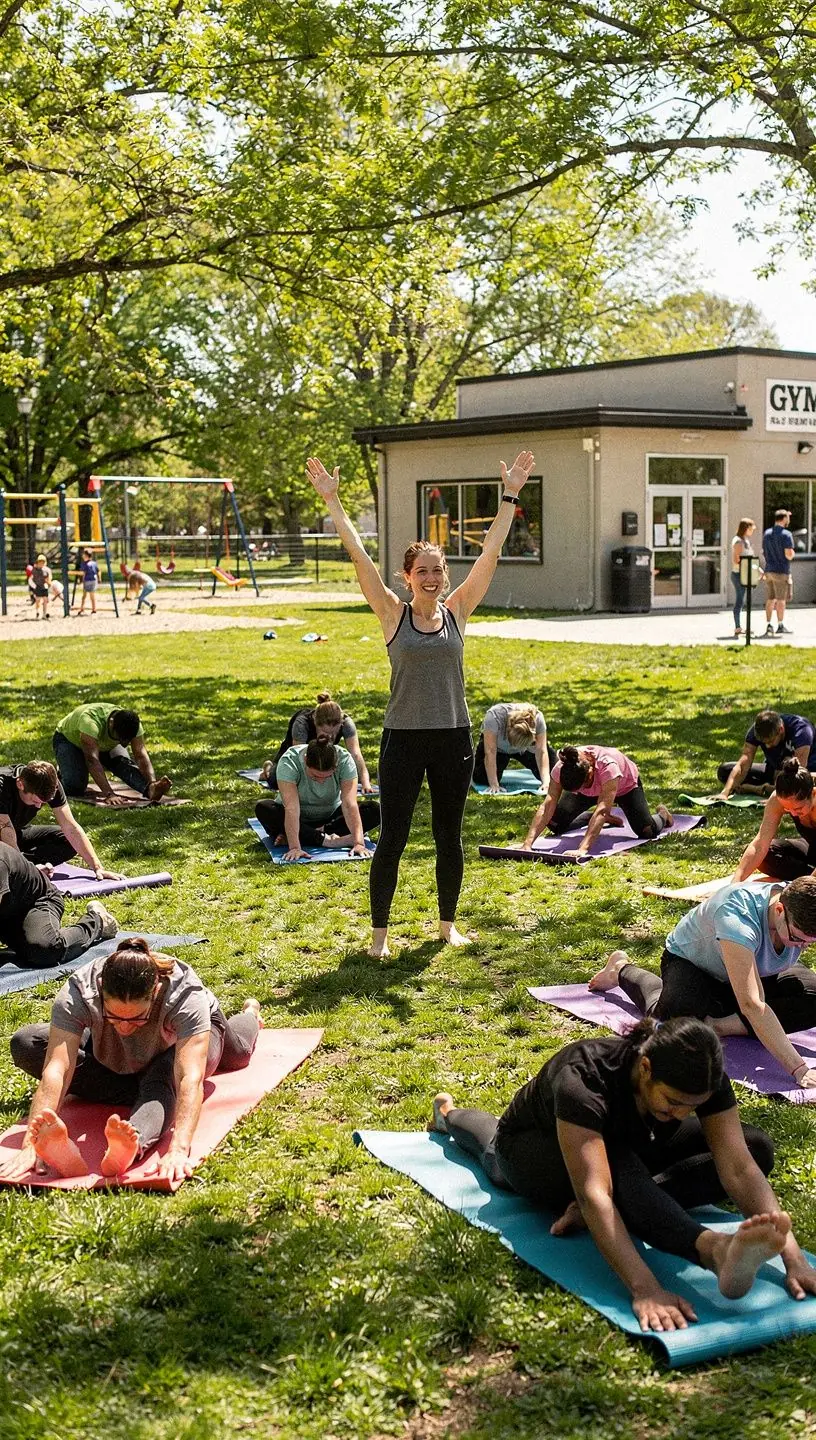
"Volunteering is a pathway to personal growth, making meaningful connections while fostering a sense of community." – National Volunteerism Study
Benefits of Volunteering at Local Events
- Skill Development: Engaging in local events can help individuals hone skills such as event planning, communication, and teamwork. These skills are often transferable to professional settings.
- Community Connection: Many users report a stronger sense of belonging after participating in local events. This connection can lead to lasting friendships and a network of support.
- Professional Opportunities: Volunteering can open doors to job prospects. Research indicates that approximately 70% of employers value volunteer experience on resumes, as it demonstrates commitment and initiative.
How Volunteering Works
Volunteering typically involves a commitment of time and effort, which can vary significantly based on the event and organization. For example, volunteering for a single-day event may only take a few hours, whereas ongoing community projects might require a few hours each week over several months. In most cases, volunteers are provided with training and support to ensure they feel confident in their roles.
Acknowledging Limitations
While volunteering is rewarding, it's essential to approach it with realistic expectations. The time commitment can be significant, and certain roles may require specific skills or prior knowledge. Additionally, some individuals may find that they have limited availability due to personal or professional obligations, which can affect their ability to volunteer consistently.
Conclusion
Volunteering at local events can be an effective way to enhance personal well-being, foster community ties, and develop relevant skills. By understanding the benefits and acknowledging the commitments involved, individuals can make informed decisions about how to engage with their communities meaningfully. As you consider your own volunteering journey, remember that the impact of your contribution can resonate well beyond the event itself.